Buy 1911.eu ?
We are moving the project
1911.eu .
Are you interested in purchasing the domain
1911.eu ?
domain@kv-gmbh.de · 0541-91531010
Buy 1911.eu ?
How do coniferous trees reproduce?
Coniferous trees reproduce through the production of cones. These cones contain the tree's seeds, which are released when the cones mature and open. The seeds are then dispersed by wind, animals, or other means, allowing the tree to reproduce and grow in new locations. **
Which coniferous trees are these?
The coniferous trees in the image are pine trees. Pine trees are characterized by their long, needle-like leaves that grow in clusters and their distinctive pine cones. They are commonly found in temperate regions around the world and are known for their tall, straight trunks and evergreen foliage. **

Similar search terms for Coniferous
Top-Angebote
Products related to Coniferous:
-
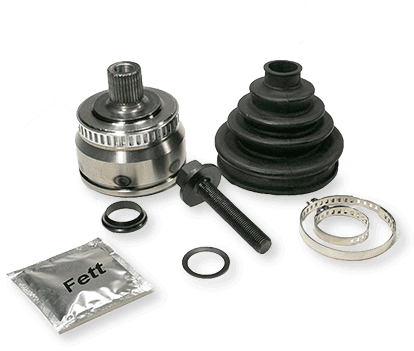
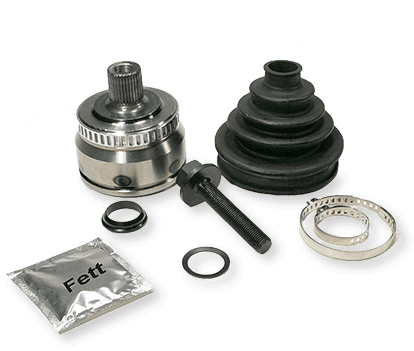
FEBEST 1911-E53LH CV jointFitting Position: Front Axle Left, transmission sided; External Toothing differential side: 27; Internal Gearing Differential Side (transmission connection): 26; Seal Ring Diameter [mm]: 44; Outer Diameter [mm]: 86; Quantity: 1; Packaging width [cm]: 12,5; Packaging height [cm]: 12,5; Production date to: 200609; Left-/right-hand drive vehicles: for left-hand drive vehicles46,99 £*Shipping: 8,45 £Secure redirect to the provider
-
FEBEST 1911-E70RH CV jointFitting Position: transmission sided, Front Axle Right; External Toothing differential side: 27; Internal Gearing Differential Side (transmission connection): 26; Seal Ring Diameter [mm]: 44; Outer Diameter [mm]: 85, 86; Quantity: 1; Packaging width [cm]: 10,5; Packaging height [cm]: 10,5; Transmission Type: Automatic Transmission; Production date to: 201306, 201806, 201406, 201905, 201904, 201307; Left-/right-hand drive vehicles: for left-hand drive vehicles; Production date from: 200808, 200908, 201512; Transmission Code: AT78,49 £*Shipping: 8,45 £Secure redirect to the provider
-
FEBEST 1911-X3 CV jointFitting Position: transmission sided, Front Axle Left; External Toothing differential side: 27; Internal Gearing Differential Side (transmission connection): 24; Seal Ring Diameter [mm]: 44; Outer Diameter [mm]: 81, 82; Quantity: 1; Packaging width [cm]: 10,5; Packaging height [cm]: 10,5; Production date to: 201203, 201612, 200607, 201708; Production date from: 201210, 201101; Left-/right-hand drive vehicles: for left-hand drive vehicles64,99 £*Shipping: 8,45 £Secure redirect to the provider
-
FEBEST 1911-E60LH CV joint kitFitting Position: transmission sided, Front Axle Left; Length [mm]: 738; External Toothing differential side: 27; Internal Gearing Differential Side (transmission connection): 24; Seal Ring Diameter [mm]: 43; Outer Diameter [mm]: 82; Quantity: 1; Packaging length [cm]: 19,5; Packaging width [cm]: 9,5; Packaging height [cm]: 9,5; Left-/right-hand drive vehicles: for left-hand drive vehicles; Production date to: 200702, 201511, 201508, 201003, 201005, 200912, 201004, 201206, 201307, 201504; Vehicle type: 525i, 525i xDrive; Production date from: 201103105,99 £*Shipping: 8,45 £Secure redirect to the provider


-
Please identify a coniferous tree.
One example of a coniferous tree is the pine tree. Pine trees are known for their needle-like leaves and produce cones as their reproductive structures. They are commonly found in forests and are important for providing habitat for wildlife and contributing to the ecosystem. Pine trees are also valued for their wood, which is used in construction and furniture making. **
-
Deciduous forest or coniferous forest?
It ultimately depends on personal preference and the specific characteristics of each forest type. Deciduous forests are known for their vibrant fall foliage and diverse wildlife, while coniferous forests are characterized by their evergreen trees and unique ecosystems. Deciduous forests may be preferred for their seasonal changes and variety of tree species, while coniferous forests may be favored for their year-round greenery and potential for winter sports. Both types of forests offer their own beauty and ecological significance. **
-
How do you dispose of branches and twigs from coniferous trees in a coniferous forest?
In a coniferous forest, branches and twigs from coniferous trees can be disposed of through natural processes such as decomposition. Fallen branches and twigs can break down over time, returning nutrients to the soil and providing habitat for various organisms. In some cases, forest management practices may involve chipping or mulching branches and twigs to accelerate decomposition and improve soil health. Additionally, controlled burning may be used in certain situations to manage forest debris and reduce fire risk. **
-
Is this a coniferous wood wheel?
Without more specific information or context, it is difficult to determine if the wood wheel in question is made from coniferous wood. Coniferous wood comes from trees such as pine, spruce, and fir, which are known for their needle-like leaves and cone-bearing fruits. To determine if the wood wheel is made from coniferous wood, one would need to examine the wood closely for characteristics such as resin canals, growth rings, and the presence of knots, which are common in coniferous wood. **


How do you prune a coniferous tree?
To prune a coniferous tree, start by removing any dead, damaged, or diseased branches using sharp, clean pruning shears. Next, selectively prune branches to improve the tree's shape and structure, focusing on removing any crowded or crossing branches. It's important to avoid cutting back into old wood or removing more than 20% of the tree's foliage in one pruning session to prevent stress and damage. Finally, step back periodically to assess the tree's overall appearance and make any final adjustments as needed. **
Why don't coniferous trees lose their needles?
Coniferous trees do not lose their needles because their needles are adapted to withstand harsh environmental conditions, such as cold temperatures and low moisture levels. The needles of coniferous trees have a thick waxy coating that helps to reduce water loss through transpiration. Additionally, the needles have a reduced surface area compared to broadleaf trees, which helps to minimize water loss. This adaptation allows coniferous trees to retain their needles throughout the year, providing them with the ability to photosynthesize and continue growing even during the winter months. **
Top-Angebote
Products related to Coniferous:
-
Inspire Select Shell Ejecting Toy Pistol ABS Plastic Continuous Shooting Revolver For Outdoor Games, Role Play & Birthday Gifts 2011 whiteBring more excitement to outdoor play with satisfying shellejecting action and an engaging mechanical design. This shell ejecting toy pistol is made from ABS plastic and requires no batteries, making it easy to enjoy whenever playtime begins. Its...99,98 $*Shipping: 0,00 $Secure redirect to the provider
-
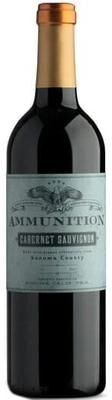
"""Ammunition Cabernet Sauvignon 2022 Red Wine - California""""""Dark garnet velvet in color and texture, this Cabernet from Paso Robles highlights what the region is quickly being known for, those delicious Bordeaux grapes. Featuring rich dark fruits with notes of black cherry, blueberry, and spice, this..."20,97 $*Shipping: 0,00 $Secure redirect to the provider
-
FEBEST 1911-E53LH CV jointFitting Position: Front Axle Left, transmission sided; External Toothing differential side: 27; Internal Gearing Differential Side (transmission connection): 26; Seal Ring Diameter [mm]: 44; Outer Diameter [mm]: 86; Quantity: 1; Packaging width [cm]: 12,5; Packaging height [cm]: 12,5; Production date to: 200609; Left-/right-hand drive vehicles: for left-hand drive vehicles46,99 £*Shipping: 8,45 £Secure redirect to the provider
-
FEBEST 1911-E70RH CV jointFitting Position: transmission sided, Front Axle Right; External Toothing differential side: 27; Internal Gearing Differential Side (transmission connection): 26; Seal Ring Diameter [mm]: 44; Outer Diameter [mm]: 85, 86; Quantity: 1; Packaging width [cm]: 10,5; Packaging height [cm]: 10,5; Transmission Type: Automatic Transmission; Production date to: 201306, 201806, 201406, 201905, 201904, 201307; Left-/right-hand drive vehicles: for left-hand drive vehicles; Production date from: 200808, 200908, 201512; Transmission Code: AT78,49 £*Shipping: 8,45 £Secure redirect to the provider
-
How do coniferous trees reproduce?
Coniferous trees reproduce through the production of cones. These cones contain the tree's seeds, which are released when the cones mature and open. The seeds are then dispersed by wind, animals, or other means, allowing the tree to reproduce and grow in new locations. **
-
Which coniferous trees are these?
The coniferous trees in the image are pine trees. Pine trees are characterized by their long, needle-like leaves that grow in clusters and their distinctive pine cones. They are commonly found in temperate regions around the world and are known for their tall, straight trunks and evergreen foliage. **
-
Please identify a coniferous tree.
One example of a coniferous tree is the pine tree. Pine trees are known for their needle-like leaves and produce cones as their reproductive structures. They are commonly found in forests and are important for providing habitat for wildlife and contributing to the ecosystem. Pine trees are also valued for their wood, which is used in construction and furniture making. **
-
Deciduous forest or coniferous forest?
It ultimately depends on personal preference and the specific characteristics of each forest type. Deciduous forests are known for their vibrant fall foliage and diverse wildlife, while coniferous forests are characterized by their evergreen trees and unique ecosystems. Deciduous forests may be preferred for their seasonal changes and variety of tree species, while coniferous forests may be favored for their year-round greenery and potential for winter sports. Both types of forests offer their own beauty and ecological significance. **
Similar search terms for Coniferous
-
FEBEST 1911-X3 CV jointFitting Position: transmission sided, Front Axle Left; External Toothing differential side: 27; Internal Gearing Differential Side (transmission connection): 24; Seal Ring Diameter [mm]: 44; Outer Diameter [mm]: 81, 82; Quantity: 1; Packaging width [cm]: 10,5; Packaging height [cm]: 10,5; Production date to: 201203, 201612, 200607, 201708; Production date from: 201210, 201101; Left-/right-hand drive vehicles: for left-hand drive vehicles64,99 £*Shipping: 8,45 £Secure redirect to the provider
-
FEBEST 1911-E60LH CV joint kitFitting Position: transmission sided, Front Axle Left; Length [mm]: 738; External Toothing differential side: 27; Internal Gearing Differential Side (transmission connection): 24; Seal Ring Diameter [mm]: 43; Outer Diameter [mm]: 82; Quantity: 1; Packaging length [cm]: 19,5; Packaging width [cm]: 9,5; Packaging height [cm]: 9,5; Left-/right-hand drive vehicles: for left-hand drive vehicles; Production date to: 200702, 201511, 201508, 201003, 201005, 200912, 201004, 201206, 201307, 201504; Vehicle type: 525i, 525i xDrive; Production date from: 201103105,99 £*Shipping: 8,45 £Secure redirect to the provider
-
FEBEST 1911-F48RH CV joint kitFitting Position: transmission sided, Front Axle Right; External Toothing differential side: 26; Internal Gearing Differential Side (transmission connection): 33; Seal Ring Diameter [mm]: 31; Outer Diameter [mm]: 77; Production date to: 202002, 201907, 201801, 202003, 201906, 201802, 201905, 202006, 201912, 202103, 202102; Left-/right-hand drive vehicles: for left-hand drive vehicles; Production date from: 201907, 201710, 201406184,99 £*Shipping: 1,99 £Secure redirect to the provider
-
FEBEST 1911-G20R CV joint kitFitting Position: transmission sided, inner, Rear Axle; External Toothing differential side: 27; Internal Gearing Differential Side (transmission connection): 35; Seal Ring Diameter [mm]: 44; Outer Diameter [mm]: 79; Production date to: 202312, 202311, 202209; Transmission Type: Automatic Transmission; Left-/right-hand drive vehicles: for left-hand drive vehicles, for right-hand drive vehicles143,99 £*Shipping: 1,99 £Secure redirect to the provider
-
How do you dispose of branches and twigs from coniferous trees in a coniferous forest?
In a coniferous forest, branches and twigs from coniferous trees can be disposed of through natural processes such as decomposition. Fallen branches and twigs can break down over time, returning nutrients to the soil and providing habitat for various organisms. In some cases, forest management practices may involve chipping or mulching branches and twigs to accelerate decomposition and improve soil health. Additionally, controlled burning may be used in certain situations to manage forest debris and reduce fire risk. **
-
Is this a coniferous wood wheel?
Without more specific information or context, it is difficult to determine if the wood wheel in question is made from coniferous wood. Coniferous wood comes from trees such as pine, spruce, and fir, which are known for their needle-like leaves and cone-bearing fruits. To determine if the wood wheel is made from coniferous wood, one would need to examine the wood closely for characteristics such as resin canals, growth rings, and the presence of knots, which are common in coniferous wood. **
-
How do you prune a coniferous tree?
To prune a coniferous tree, start by removing any dead, damaged, or diseased branches using sharp, clean pruning shears. Next, selectively prune branches to improve the tree's shape and structure, focusing on removing any crowded or crossing branches. It's important to avoid cutting back into old wood or removing more than 20% of the tree's foliage in one pruning session to prevent stress and damage. Finally, step back periodically to assess the tree's overall appearance and make any final adjustments as needed. **
-
Why don't coniferous trees lose their needles?
Coniferous trees do not lose their needles because their needles are adapted to withstand harsh environmental conditions, such as cold temperatures and low moisture levels. The needles of coniferous trees have a thick waxy coating that helps to reduce water loss through transpiration. Additionally, the needles have a reduced surface area compared to broadleaf trees, which helps to minimize water loss. This adaptation allows coniferous trees to retain their needles throughout the year, providing them with the ability to photosynthesize and continue growing even during the winter months. **
* All prices are inclusive of VAT and, if applicable, plus shipping costs. The offer information is based on the details provided by the respective shop and is updated through automated processes. Real-time updates do not occur, so deviations can occur in individual cases. ** Note: Parts of this content were created by AI.