Buy 1911.eu ?
We are moving the project
1911.eu .
Are you interested in purchasing the domain
1911.eu ?
domain@kv-gmbh.de · 0541-91531010
Buy 1911.eu ?
What are rudimentary organs?
Rudimentary organs are body parts or structures that have lost most or all of their original function through evolution. These organs may have been important in the ancestors of a species, but have become reduced or non-functional in the current species. Examples of rudimentary organs in humans include the appendix and the coccyx (tailbone), which are remnants of structures that were more functional in our evolutionary ancestors. Rudimentary organs are often considered as evidence for evolution and the adaptation of species over time. **
Is stronger evidence of evolution rudimentary structures or atavisms?
Stronger evidence of evolution would likely be atavisms rather than rudimentary structures. Atavisms are traits that reappear in a species after being lost in its evolutionary history, providing a direct link to the species' ancestors and demonstrating the process of evolution. On the other hand, rudimentary structures are remnants of once-functional features that have lost their original purpose over time, which can also provide evidence of evolution but may not be as compelling as atavisms in terms of demonstrating evolutionary processes. **

Similar search terms for Rudimentary
Top-Angebote
Products related to Rudimentary:
-
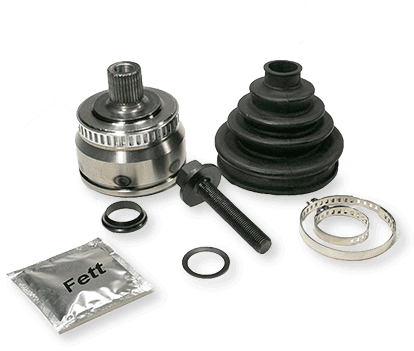
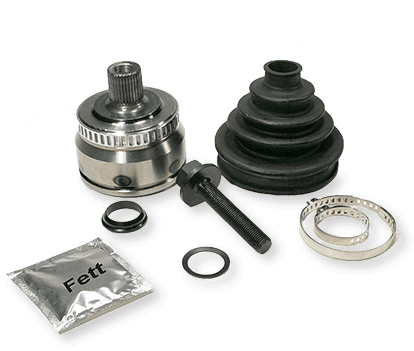
FEBEST 1911-E70RH CV jointFitting Position: transmission sided, Front Axle Right; External Toothing differential side: 27; Internal Gearing Differential Side (transmission connection): 26; Seal Ring Diameter [mm]: 44; Outer Diameter [mm]: 85, 86; Quantity: 1; Packaging width [cm]: 10,5; Packaging height [cm]: 10,5; Transmission Type: Automatic Transmission; Production date to: 201306, 201806, 201406, 201905, 201904, 201307; Left-/right-hand drive vehicles: for left-hand drive vehicles; Production date from: 200808, 200908, 201512; Transmission Code: AT78,49 £*Shipping: 8,45 £Secure redirect to the provider
-
FEBEST 1911-E53LH CV jointFitting Position: Front Axle Left, transmission sided; External Toothing differential side: 27; Internal Gearing Differential Side (transmission connection): 26; Seal Ring Diameter [mm]: 44; Outer Diameter [mm]: 86; Quantity: 1; Packaging width [cm]: 12,5; Packaging height [cm]: 12,5; Production date to: 200609; Left-/right-hand drive vehicles: for left-hand drive vehicles46,99 £*Shipping: 8,45 £Secure redirect to the provider
-
FEBEST 1911-E53RH CV jointFitting Position: transmission sided, Front Axle Right; External Toothing differential side: 27; Internal Gearing Differential Side (transmission connection): 26; Seal Ring Diameter [mm]: 44; Outer Diameter [mm]: 86; Quantity: 1; Packaging width [cm]: 11,0; Packaging height [cm]: 11,0; Production date to: 200609; Left-/right-hand drive vehicles: for left-hand drive vehicles82,49 £*Shipping: 8,45 £Secure redirect to the provider
-
FEBEST 1911-X3 CV jointFitting Position: transmission sided, Front Axle Left; External Toothing differential side: 27; Internal Gearing Differential Side (transmission connection): 24; Seal Ring Diameter [mm]: 44; Outer Diameter [mm]: 81, 82; Quantity: 1; Packaging width [cm]: 10,5; Packaging height [cm]: 10,5; Production date to: 201203, 201612, 200607, 201708; Production date from: 201210, 201101; Left-/right-hand drive vehicles: for left-hand drive vehicles64,99 £*Shipping: 8,45 £Secure redirect to the provider


-
How has the rudimentary organ developed in the evolution of humans?
The concept of rudimentary organs in human evolution refers to organs or structures that have lost their original function over time. These organs may have been important in the evolutionary history of our ancestors, but have become less necessary as our species has evolved. For example, the appendix is thought to have been important for digesting tough plant materials in our ancestors, but is now considered a vestigial organ with no clear function in modern humans. The development of rudimentary organs in humans is a result of natural selection and genetic changes over time, as our species has adapted to new environments and lifestyles. **
-
Why do humpback whales have rudimentary pelvises and thigh bones? Is this evidence of evolution?
Humpback whales have rudimentary pelvises and thigh bones because they are remnants of their evolutionary history when their ancestors walked on land. Over millions of years, as whales transitioned from land to water, these structures became unnecessary for their aquatic lifestyle but were not completely lost due to genetic constraints. This is considered evidence of evolution as it demonstrates how anatomical features can change over time in response to environmental pressures and adaptations. **
-
Why do humpback whales have rudimentary pelvis and thigh bones? Is this evidence for evolution?
Humpback whales have rudimentary pelvis and thigh bones because they are remnants of their evolutionary history when their ancestors walked on land. These bones are no longer functional for walking on land, but they are evidence of the whale's evolutionary transition from land-dwelling to fully aquatic animals. This is evidence for evolution as it demonstrates how species have evolved and adapted over time to their changing environments. **
-
Which is better, an air pistol or an air rifle?
The choice between an air pistol and an air rifle depends on the intended use. An air pistol is better for close-range target shooting and can be more maneuverable for activities like plinking or pest control in tight spaces. On the other hand, an air rifle is better for longer-range shooting and hunting small game due to its higher velocity and accuracy. Ultimately, the decision should be based on the specific purpose and preferences of the user. **


What type of blank firing gun is better, a revolver or a pistol?
The choice between a revolver and a pistol as a blank firing gun ultimately depends on personal preference and intended use. Revolvers are known for their reliability and simplicity, making them a popular choice for those who prioritize ease of use. On the other hand, pistols offer faster reloading and typically have a higher ammunition capacity, making them a preferred option for those who value speed and efficiency in shooting. Ultimately, the decision between a revolver and a pistol comes down to individual preferences and needs. **
How much does a pistol shot or a rifle shot cost?
The cost of a pistol shot or a rifle shot can vary depending on the type of ammunition being used. On average, a standard 9mm pistol shot can cost around $0.20 to $0.40 per round, while a rifle shot can range from $0.30 to $1.00 per round, depending on the caliber and brand of ammunition. Additionally, the cost can also be affected by factors such as bulk purchasing, speciality ammunition, and current market prices. **
Top-Angebote
Products related to Rudimentary:
-
Inspire Select Shell Ejecting Toy Pistol ABS Plastic Continuous Shooting Revolver For Outdoor Games, Role Play & Birthday Gifts 2011 whiteBring more excitement to outdoor play with satisfying shellejecting action and an engaging mechanical design. This shell ejecting toy pistol is made from ABS plastic and requires no batteries, making it easy to enjoy whenever playtime begins. Its...99,98 $*Shipping: 0,00 $Secure redirect to the provider
-
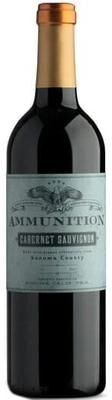
"""Ammunition Cabernet Sauvignon 2022 Red Wine - California""""""Dark garnet velvet in color and texture, this Cabernet from Paso Robles highlights what the region is quickly being known for, those delicious Bordeaux grapes. Featuring rich dark fruits with notes of black cherry, blueberry, and spice, this..."20,97 $*Shipping: 0,00 $Secure redirect to the provider
-
FEBEST 1911-E70RH CV jointFitting Position: transmission sided, Front Axle Right; External Toothing differential side: 27; Internal Gearing Differential Side (transmission connection): 26; Seal Ring Diameter [mm]: 44; Outer Diameter [mm]: 85, 86; Quantity: 1; Packaging width [cm]: 10,5; Packaging height [cm]: 10,5; Transmission Type: Automatic Transmission; Production date to: 201306, 201806, 201406, 201905, 201904, 201307; Left-/right-hand drive vehicles: for left-hand drive vehicles; Production date from: 200808, 200908, 201512; Transmission Code: AT78,49 £*Shipping: 8,45 £Secure redirect to the provider
-
FEBEST 1911-E53LH CV jointFitting Position: Front Axle Left, transmission sided; External Toothing differential side: 27; Internal Gearing Differential Side (transmission connection): 26; Seal Ring Diameter [mm]: 44; Outer Diameter [mm]: 86; Quantity: 1; Packaging width [cm]: 12,5; Packaging height [cm]: 12,5; Production date to: 200609; Left-/right-hand drive vehicles: for left-hand drive vehicles46,99 £*Shipping: 8,45 £Secure redirect to the provider
-
What are rudimentary organs?
Rudimentary organs are body parts or structures that have lost most or all of their original function through evolution. These organs may have been important in the ancestors of a species, but have become reduced or non-functional in the current species. Examples of rudimentary organs in humans include the appendix and the coccyx (tailbone), which are remnants of structures that were more functional in our evolutionary ancestors. Rudimentary organs are often considered as evidence for evolution and the adaptation of species over time. **
-
Is stronger evidence of evolution rudimentary structures or atavisms?
Stronger evidence of evolution would likely be atavisms rather than rudimentary structures. Atavisms are traits that reappear in a species after being lost in its evolutionary history, providing a direct link to the species' ancestors and demonstrating the process of evolution. On the other hand, rudimentary structures are remnants of once-functional features that have lost their original purpose over time, which can also provide evidence of evolution but may not be as compelling as atavisms in terms of demonstrating evolutionary processes. **
-
How has the rudimentary organ developed in the evolution of humans?
The concept of rudimentary organs in human evolution refers to organs or structures that have lost their original function over time. These organs may have been important in the evolutionary history of our ancestors, but have become less necessary as our species has evolved. For example, the appendix is thought to have been important for digesting tough plant materials in our ancestors, but is now considered a vestigial organ with no clear function in modern humans. The development of rudimentary organs in humans is a result of natural selection and genetic changes over time, as our species has adapted to new environments and lifestyles. **
-
Why do humpback whales have rudimentary pelvises and thigh bones? Is this evidence of evolution?
Humpback whales have rudimentary pelvises and thigh bones because they are remnants of their evolutionary history when their ancestors walked on land. Over millions of years, as whales transitioned from land to water, these structures became unnecessary for their aquatic lifestyle but were not completely lost due to genetic constraints. This is considered evidence of evolution as it demonstrates how anatomical features can change over time in response to environmental pressures and adaptations. **
Similar search terms for Rudimentary
-
FEBEST 1911-E53RH CV jointFitting Position: transmission sided, Front Axle Right; External Toothing differential side: 27; Internal Gearing Differential Side (transmission connection): 26; Seal Ring Diameter [mm]: 44; Outer Diameter [mm]: 86; Quantity: 1; Packaging width [cm]: 11,0; Packaging height [cm]: 11,0; Production date to: 200609; Left-/right-hand drive vehicles: for left-hand drive vehicles82,49 £*Shipping: 8,45 £Secure redirect to the provider
-
FEBEST 1911-X3 CV jointFitting Position: transmission sided, Front Axle Left; External Toothing differential side: 27; Internal Gearing Differential Side (transmission connection): 24; Seal Ring Diameter [mm]: 44; Outer Diameter [mm]: 81, 82; Quantity: 1; Packaging width [cm]: 10,5; Packaging height [cm]: 10,5; Production date to: 201203, 201612, 200607, 201708; Production date from: 201210, 201101; Left-/right-hand drive vehicles: for left-hand drive vehicles64,99 £*Shipping: 8,45 £Secure redirect to the provider
-
AISIN BPNI-1911 Brake pad setWear Warning Contact: excl. wear warning contact; Vibration: without vibration absorber; Width [mm]: 130; Thickness: 17; Quantity Unit: Axle Set; Brake System: AKEBONO; Fitting Position: Front Axle; Construction Year to: 04/1990, 05/1986, 05/1990, 01/1987, 05/1988, 02/1990, 05/1994, 08/1994, 02/1987; Construction Year from: 09/1985, 07/1986, 04/1987, 12/1986, 01/1985; Vehicle type: 200SX, Silvia, Prairie, Pick Up (King Cab), Vanette E, Hardbody16,99 £*Shipping: 8,45 £Secure redirect to the provider
-
Why do humpback whales have rudimentary pelvis and thigh bones? Is this evidence for evolution?
Humpback whales have rudimentary pelvis and thigh bones because they are remnants of their evolutionary history when their ancestors walked on land. These bones are no longer functional for walking on land, but they are evidence of the whale's evolutionary transition from land-dwelling to fully aquatic animals. This is evidence for evolution as it demonstrates how species have evolved and adapted over time to their changing environments. **
-
Which is better, an air pistol or an air rifle?
The choice between an air pistol and an air rifle depends on the intended use. An air pistol is better for close-range target shooting and can be more maneuverable for activities like plinking or pest control in tight spaces. On the other hand, an air rifle is better for longer-range shooting and hunting small game due to its higher velocity and accuracy. Ultimately, the decision should be based on the specific purpose and preferences of the user. **
-
What type of blank firing gun is better, a revolver or a pistol?
The choice between a revolver and a pistol as a blank firing gun ultimately depends on personal preference and intended use. Revolvers are known for their reliability and simplicity, making them a popular choice for those who prioritize ease of use. On the other hand, pistols offer faster reloading and typically have a higher ammunition capacity, making them a preferred option for those who value speed and efficiency in shooting. Ultimately, the decision between a revolver and a pistol comes down to individual preferences and needs. **
-
How much does a pistol shot or a rifle shot cost?
The cost of a pistol shot or a rifle shot can vary depending on the type of ammunition being used. On average, a standard 9mm pistol shot can cost around $0.20 to $0.40 per round, while a rifle shot can range from $0.30 to $1.00 per round, depending on the caliber and brand of ammunition. Additionally, the cost can also be affected by factors such as bulk purchasing, speciality ammunition, and current market prices. **
* All prices are inclusive of VAT and, if applicable, plus shipping costs. The offer information is based on the details provided by the respective shop and is updated through automated processes. Real-time updates do not occur, so deviations can occur in individual cases. ** Note: Parts of this content were created by AI.