Buy 1911.eu ?
We are moving the project
1911.eu .
Are you interested in purchasing the domain
1911.eu ?
domain@kv-gmbh.de · 0541-91531010
Buy 1911.eu ?
How much does an astronomer earn?
The salary of an astronomer can vary depending on factors such as experience, education, location, and the specific field of astronomy they work in. On average, astronomers in the United States earn a median salary of around $114,590 per year, according to the Bureau of Labor Statistics. However, astronomers with advanced degrees and extensive experience can earn significantly more, with some earning salaries well over $150,000 per year. **
How do I become an astronomer?
To become an astronomer, you typically need to earn a bachelor's degree in astronomy, physics, or a related field. After completing your undergraduate studies, you may choose to pursue a master's or doctoral degree in astronomy to further specialize in the field. It's also important to gain research experience through internships or working in a laboratory. Additionally, networking with professionals in the field and staying updated on the latest developments in astronomy can help you establish a successful career as an astronomer. **


Similar search terms for Astronomer
Top-Angebote
Products related to Astronomer:
-
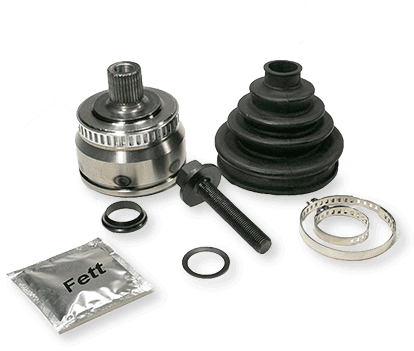
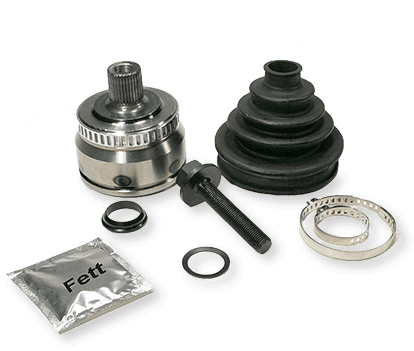
FEBEST 1911-E53LH CV jointFitting Position: Front Axle Left, transmission sided; External Toothing differential side: 27; Internal Gearing Differential Side (transmission connection): 26; Seal Ring Diameter [mm]: 44; Outer Diameter [mm]: 86; Quantity: 1; Packaging width [cm]: 12,5; Packaging height [cm]: 12,5; Production date to: 200609; Left-/right-hand drive vehicles: for left-hand drive vehicles46,99 £*Shipping: 8,45 £Secure redirect to the provider
-
FEBEST 1911-E70RH CV jointFitting Position: transmission sided, Front Axle Right; External Toothing differential side: 27; Internal Gearing Differential Side (transmission connection): 26; Seal Ring Diameter [mm]: 44; Outer Diameter [mm]: 85, 86; Quantity: 1; Packaging width [cm]: 10,5; Packaging height [cm]: 10,5; Transmission Type: Automatic Transmission; Production date to: 201306, 201806, 201406, 201905, 201904, 201307; Left-/right-hand drive vehicles: for left-hand drive vehicles; Production date from: 200808, 200908, 201512; Transmission Code: AT78,49 £*Shipping: 8,45 £Secure redirect to the provider
-
FEBEST 1911-X3 CV jointFitting Position: transmission sided, Front Axle Left; External Toothing differential side: 27; Internal Gearing Differential Side (transmission connection): 24; Seal Ring Diameter [mm]: 44; Outer Diameter [mm]: 81, 82; Quantity: 1; Packaging width [cm]: 10,5; Packaging height [cm]: 10,5; Production date to: 201203, 201612, 200607, 201708; Production date from: 201210, 201101; Left-/right-hand drive vehicles: for left-hand drive vehicles64,99 £*Shipping: 8,45 £Secure redirect to the provider


-
What is the salary of a cosmologist/astronomer?
The salary of a cosmologist or astronomer can vary depending on factors such as experience, education, location, and employer. On average, a cosmologist or astronomer in the United States can expect to earn a salary ranging from $60,000 to $150,000 per year. Those with advanced degrees and significant experience may earn salaries at the higher end of this range, while entry-level positions or roles in academia may offer salaries at the lower end. **
-
What degree is needed to become an astronomer?
To become an astronomer, a Ph.D. in astronomy or a related field is typically required. This advanced degree provides the necessary knowledge and skills to conduct research, analyze data, and contribute to the field of astronomy. Some astronomers may also have undergraduate and/or master's degrees in physics, astrophysics, or a related discipline to build a strong foundation in the field. Additionally, gaining research experience through internships or working in observatories can be beneficial for aspiring astronomers. **
-
What does one need to become an astronomer?
To become an astronomer, one typically needs to have a strong foundation in mathematics and physics, as these are essential for understanding the principles of astronomy. A bachelor's degree in astronomy, physics, or a related field is usually required, and many astronomers go on to earn a master's or doctoral degree in astronomy or astrophysics. Additionally, gaining research experience through internships or working in a laboratory setting can be beneficial for aspiring astronomers. Strong critical thinking and problem-solving skills, as well as a passion for exploring the mysteries of the universe, are also important qualities for those pursuing a career in astronomy. **
-
What subjects are needed to become an astronomer?
To become an astronomer, it is important to have a strong foundation in mathematics, physics, and computer science. These subjects are essential for understanding the complex calculations and theories involved in astronomy. Additionally, courses in astronomy, astrophysics, and cosmology are also necessary to gain a deep understanding of the field. It is also beneficial to have a strong background in chemistry and earth sciences to understand the composition of celestial bodies and their interactions with each other. **

What is the daily life of an astronomer like?
The daily life of an astronomer typically involves a combination of research, data analysis, writing papers, attending meetings and conferences, and teaching or mentoring students. Astronomers spend a significant amount of time using telescopes to observe celestial objects, analyzing data to make new discoveries, and collaborating with colleagues on research projects. They may also spend time writing grant proposals to secure funding for their research and communicating their findings to the public through talks and publications. Overall, the life of an astronomer is intellectually stimulating and involves a mix of independent work and collaboration with others in the field. **
What does one have to do to become an astronomer?
To become an astronomer, one typically needs to obtain a bachelor's degree in astronomy, physics, or a related field. After completing their undergraduate studies, aspiring astronomers often pursue a graduate degree, such as a master's or Ph.D., in astronomy or astrophysics. During their education, they may also gain research experience through internships or assistantships. Additionally, astronomers often need to develop strong analytical and critical thinking skills, as well as proficiency in computer programming and data analysis. **
Top-Angebote
Products related to Astronomer:
-
Inspire Select Shell Ejecting Toy Pistol ABS Plastic Continuous Shooting Revolver For Outdoor Games, Role Play & Birthday Gifts 2011 whiteBring more excitement to outdoor play with satisfying shellejecting action and an engaging mechanical design. This shell ejecting toy pistol is made from ABS plastic and requires no batteries, making it easy to enjoy whenever playtime begins. Its...99,98 $*Shipping: 0,00 $Secure redirect to the provider
-
"""Ammunition Cabernet Sauvignon 2022 Red Wine - California""""""Dark garnet velvet in color and texture, this Cabernet from Paso Robles highlights what the region is quickly being known for, those delicious Bordeaux grapes. Featuring rich dark fruits with notes of black cherry, blueberry, and spice, this..."20,97 $*Shipping: 0,00 $Secure redirect to the provider
-
FEBEST 1911-E53LH CV jointFitting Position: Front Axle Left, transmission sided; External Toothing differential side: 27; Internal Gearing Differential Side (transmission connection): 26; Seal Ring Diameter [mm]: 44; Outer Diameter [mm]: 86; Quantity: 1; Packaging width [cm]: 12,5; Packaging height [cm]: 12,5; Production date to: 200609; Left-/right-hand drive vehicles: for left-hand drive vehicles46,99 £*Shipping: 8,45 £Secure redirect to the provider
-
FEBEST 1911-E70RH CV jointFitting Position: transmission sided, Front Axle Right; External Toothing differential side: 27; Internal Gearing Differential Side (transmission connection): 26; Seal Ring Diameter [mm]: 44; Outer Diameter [mm]: 85, 86; Quantity: 1; Packaging width [cm]: 10,5; Packaging height [cm]: 10,5; Transmission Type: Automatic Transmission; Production date to: 201306, 201806, 201406, 201905, 201904, 201307; Left-/right-hand drive vehicles: for left-hand drive vehicles; Production date from: 200808, 200908, 201512; Transmission Code: AT78,49 £*Shipping: 8,45 £Secure redirect to the provider
-
How much does an astronomer earn?
The salary of an astronomer can vary depending on factors such as experience, education, location, and the specific field of astronomy they work in. On average, astronomers in the United States earn a median salary of around $114,590 per year, according to the Bureau of Labor Statistics. However, astronomers with advanced degrees and extensive experience can earn significantly more, with some earning salaries well over $150,000 per year. **
-
How do I become an astronomer?
To become an astronomer, you typically need to earn a bachelor's degree in astronomy, physics, or a related field. After completing your undergraduate studies, you may choose to pursue a master's or doctoral degree in astronomy to further specialize in the field. It's also important to gain research experience through internships or working in a laboratory. Additionally, networking with professionals in the field and staying updated on the latest developments in astronomy can help you establish a successful career as an astronomer. **
-
What is the salary of a cosmologist/astronomer?
The salary of a cosmologist or astronomer can vary depending on factors such as experience, education, location, and employer. On average, a cosmologist or astronomer in the United States can expect to earn a salary ranging from $60,000 to $150,000 per year. Those with advanced degrees and significant experience may earn salaries at the higher end of this range, while entry-level positions or roles in academia may offer salaries at the lower end. **
-
What degree is needed to become an astronomer?
To become an astronomer, a Ph.D. in astronomy or a related field is typically required. This advanced degree provides the necessary knowledge and skills to conduct research, analyze data, and contribute to the field of astronomy. Some astronomers may also have undergraduate and/or master's degrees in physics, astrophysics, or a related discipline to build a strong foundation in the field. Additionally, gaining research experience through internships or working in observatories can be beneficial for aspiring astronomers. **
Similar search terms for Astronomer
-
FEBEST 1911-X3 CV jointFitting Position: transmission sided, Front Axle Left; External Toothing differential side: 27; Internal Gearing Differential Side (transmission connection): 24; Seal Ring Diameter [mm]: 44; Outer Diameter [mm]: 81, 82; Quantity: 1; Packaging width [cm]: 10,5; Packaging height [cm]: 10,5; Production date to: 201203, 201612, 200607, 201708; Production date from: 201210, 201101; Left-/right-hand drive vehicles: for left-hand drive vehicles64,99 £*Shipping: 8,45 £Secure redirect to the provider
-
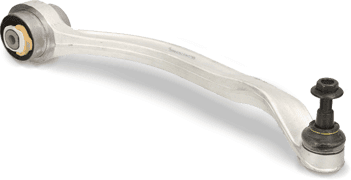
MEYLE 116 050 1911 Suspension armFitting Position: Front Axle Right, Front Axle Left, Lower; Control/Trailing Arm Type: Control Arm; Supplementary Article / Supplementary Info Info 2: without ball joint; Material: Sheet Steel; replacement in pairs recommended: ; Required quantity: 2; Supplementary Info: ORIGINAL Quality26,49 £*Shipping: 8,45 £Secure redirect to the provider
-
VAICO V40-1911 Wheel bearing kitfor OE number: 44 08 669; Supplementary Article / Supplementary Info Info 2: without ABS sensor ring; Fitting Position: Front Axle; Weight [kg]: 1,091; Packaging width [cm]: 9,6; Packaging height [cm]: 9,8; Packaging Depth [cm]: 9,8; Supplementary Info: EXPERT KITS +; Braking/Driving Dynamics: for vehicles without ABS; Vehicle Identification Number (VIN) to: 3V613233, 3Y000000; Construction Year to: 10/200212,99 £*Shipping: 8,45 £Secure redirect to the provider
-
What does one need to become an astronomer?
To become an astronomer, one typically needs to have a strong foundation in mathematics and physics, as these are essential for understanding the principles of astronomy. A bachelor's degree in astronomy, physics, or a related field is usually required, and many astronomers go on to earn a master's or doctoral degree in astronomy or astrophysics. Additionally, gaining research experience through internships or working in a laboratory setting can be beneficial for aspiring astronomers. Strong critical thinking and problem-solving skills, as well as a passion for exploring the mysteries of the universe, are also important qualities for those pursuing a career in astronomy. **
-
What subjects are needed to become an astronomer?
To become an astronomer, it is important to have a strong foundation in mathematics, physics, and computer science. These subjects are essential for understanding the complex calculations and theories involved in astronomy. Additionally, courses in astronomy, astrophysics, and cosmology are also necessary to gain a deep understanding of the field. It is also beneficial to have a strong background in chemistry and earth sciences to understand the composition of celestial bodies and their interactions with each other. **
-
What is the daily life of an astronomer like?
The daily life of an astronomer typically involves a combination of research, data analysis, writing papers, attending meetings and conferences, and teaching or mentoring students. Astronomers spend a significant amount of time using telescopes to observe celestial objects, analyzing data to make new discoveries, and collaborating with colleagues on research projects. They may also spend time writing grant proposals to secure funding for their research and communicating their findings to the public through talks and publications. Overall, the life of an astronomer is intellectually stimulating and involves a mix of independent work and collaboration with others in the field. **
-
What does one have to do to become an astronomer?
To become an astronomer, one typically needs to obtain a bachelor's degree in astronomy, physics, or a related field. After completing their undergraduate studies, aspiring astronomers often pursue a graduate degree, such as a master's or Ph.D., in astronomy or astrophysics. During their education, they may also gain research experience through internships or assistantships. Additionally, astronomers often need to develop strong analytical and critical thinking skills, as well as proficiency in computer programming and data analysis. **
* All prices are inclusive of VAT and, if applicable, plus shipping costs. The offer information is based on the details provided by the respective shop and is updated through automated processes. Real-time updates do not occur, so deviations can occur in individual cases. ** Note: Parts of this content were created by AI.